
Placement-focused interview track
Master DSA interview questions and solve under pressure with confidence
Train on high-frequency problem patterns, learn how to explain your approach clearly, and build the speed interviewers expect in coding rounds. This is not random problem practice. It is structured preparation designed to help you clear technical filters faster.
*Support is offered as per program policy and aligned to your placement plan.
- Pattern-based learning
- Timed mock rounds
- Company-specific prep

Why AXONTech
Built for interview wins, not endless random solving
Most candidates fail DSA rounds not because they lack intelligence, but because they lack structure, repetition, and feedback. This track helps you recognize patterns faster, write cleaner code, and communicate your reasoning in the way interviewers expect.
Pattern-first preparation
Learn the reusable solving frameworks that appear again and again in real technical rounds.
Mentor-led feedback loop
Get live review on approach, code quality, complexity, and verbal explanation instead of guessing where you went wrong.
Interview-speed practice
Train under time pressure so your accuracy, clarity, and decision-making improve when the timer is real.
Placement alignment included
Your DSA prep is connected to broader placement support so your effort matches upcoming drives and target roles.
What you get
Everything you need to perform better in DSA rounds
A structured interview-prep system that improves problem solving, coding speed, and communication together.
Arrays, strings, and hashing
Train on two pointers, sliding windows, prefix sums, maps, and pattern recognition that saves time.
Trees, graphs, and traversals
Learn BFS, DFS, shortest path, cycle detection, and the reasoning behind graph-based interview problems.
Dynamic programming and greedy
Reduce confusion around DP states, greedy choices, and optimization-heavy interview questions.
Stacks, queues, and heaps
Get faster with monotonic stacks, top-K logic, priority queues, and interview-friendly implementation patterns.
Recursion and backtracking
Break down subsets, permutations, combinations, and search-space problems with more clarity.
Bit manipulation and math tricks
Cover the fast shortcuts and lower-frequency topics that still appear in competitive coding rounds.
Structured learning path
How your DSA preparation progresses
A four-stage interview-prep roadmap built to improve solving ability, time management, and technical explanation together.
-
Core foundations
Refresh fundamentals, complexity analysis, and the basic data structure habits that support faster solving.
-
Pattern recognition
Train on grouped problem types so you can identify the right strategy quickly instead of starting from zero.
-
Timed mock execution
Practice under real constraints so your thinking, code quality, and prioritization improve when it matters most.
-
Interview-ready refinement
Sharpen verbal explanations, company-specific preparation, and last-mile revision for upcoming rounds.
Where this helps
Interview outcomes this preparation supports
A stronger DSA foundation improves more than coding scores. It improves confidence, communication, and how quickly you move through technical filters.
Get faster and cleaner in platform-based coding tests where time pressure decides shortlists.
Explain your thinking clearly while solving, which helps interviewers trust your process.
Recognize patterns faster and avoid wasting time on the wrong approach during high-stakes rounds.
Improve performance in the rounds that often decide whether you reach interviews at all.
Why this matters
Why DSA still has outsized interview impact
Many candidates underestimate DSA because they focus only on solving questions. Recruiters and interviewers, however, use these rounds to measure much more.
Strong DSA performance often determines whether you even reach deeper technical and HR rounds.
Interviewers judge structure, trade-offs, complexity thinking, and communication through your solution process.
The same core patterns appear across online tests, live coding rounds, and campus hiring formats.
Practice reduces panic, improves decision-making, and helps you stay composed when questions become harder.
Practice system
How this preparation becomes a real interview advantage
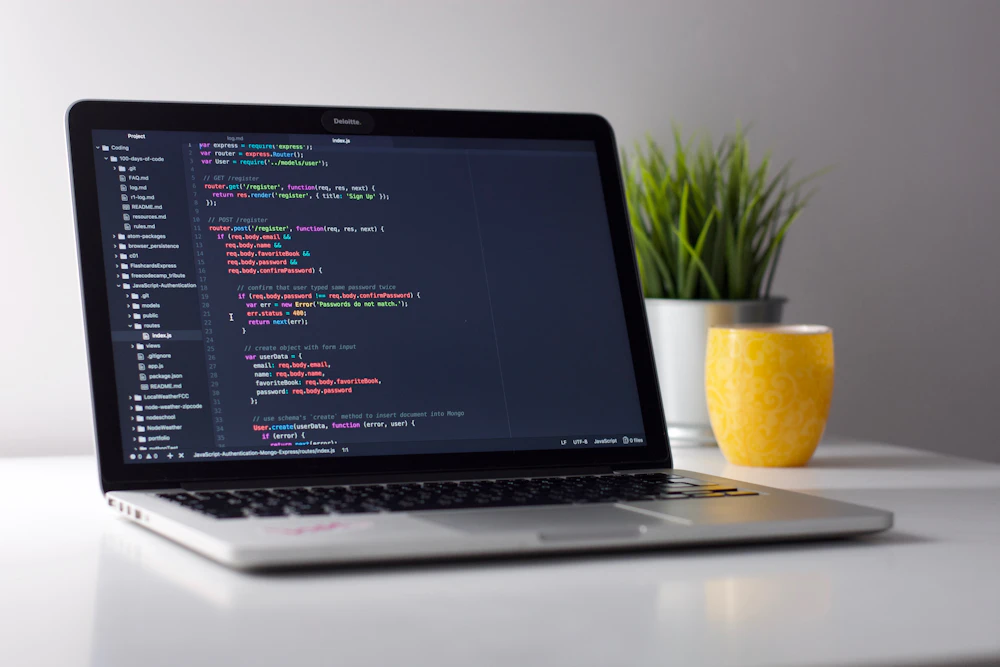
This track is designed to make your preparation feel closer to real rounds and farther from passive learning. You practice on patterns, solve under time pressure, explain decisions out loud, and get feedback on how interviewers are likely to interpret your work.
- Curated question sets ordered by pattern, difficulty, and interview relevance
- Timed mocks with feedback on code, complexity, structure, and verbal explanation
- Company-style prep that helps you adapt across product and service hiring formats
What you practice with
Core problem-solving lanes
Train on the areas that appear most often in coding assessments, live interviews, and shortlist-heavy technical filters.
Support & outcomes
Placement and interview support systems
Good practice improves skill; guided practice improves results. This track gives you the preparation structure, accountability, and review support most candidates try to build on their own.
Pattern-based practice plans
Train with a clear sequence so your preparation feels focused instead of scattered.
Resume & interview alignment
Connect your coding prep with placement planning so your effort supports upcoming drives and role targets.
Mock DSA rounds
Practice interview-style sessions with feedback on code, speed, and verbal clarity.
Company-specific trends
Prepare for the differences between platform tests, live coding, and role-specific technical filters.
Optimization reviews
Understand time-space trade-offs so your solutions become more efficient and interviewer-friendly.
Doubt-clearing support
Remove blockers faster with mentor guidance so you keep improving instead of stalling on hard topics.

